Alejandro de Solá
A literary family saga

Industrialists
& Revolutionaries

1888 – 2025
Explore

From the ashes of invention and the ruins of belief, I gather what remains: letters, currencies, blueprints and forgotten faces, to reconstruct three centuries that mistook progress for salvation.

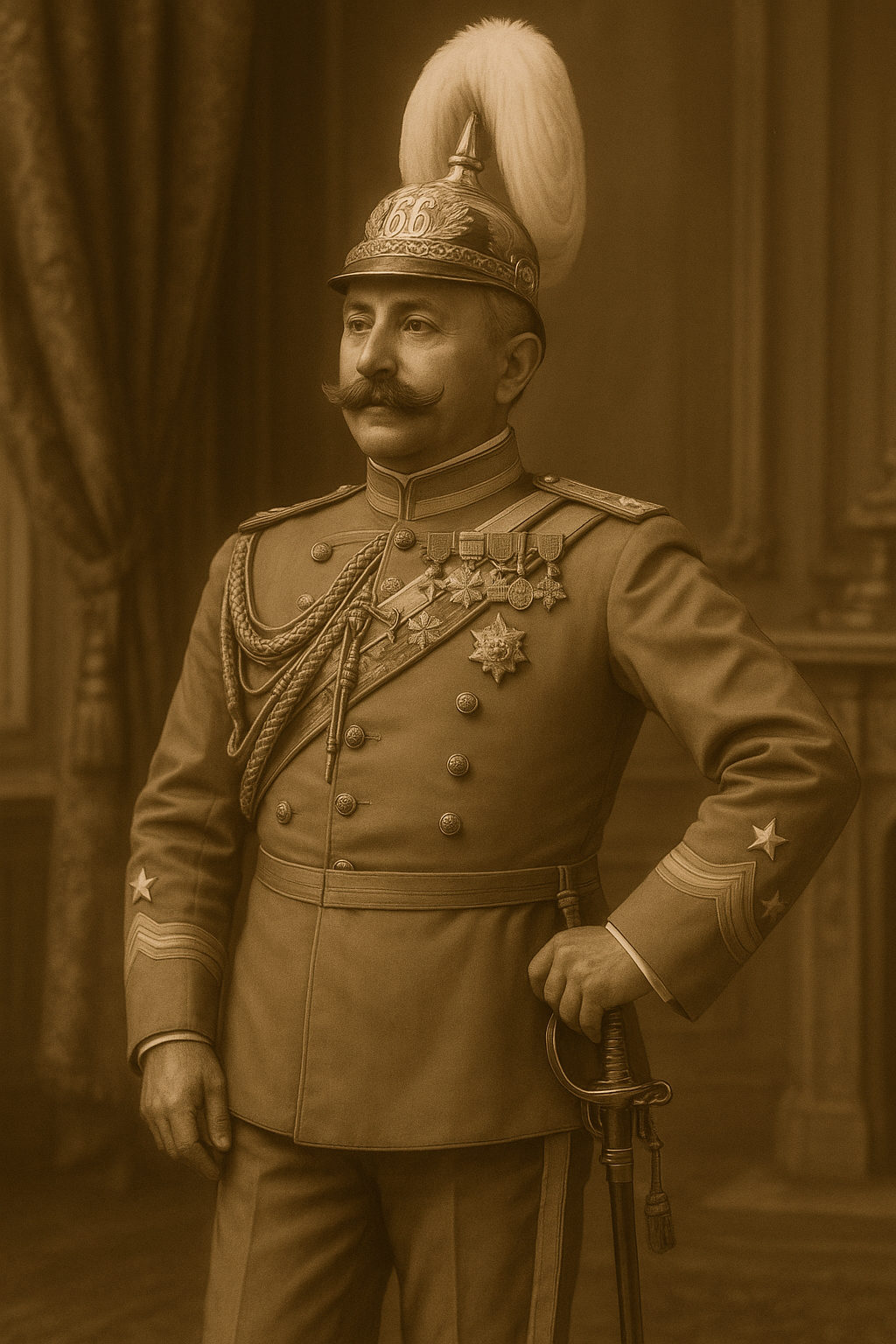
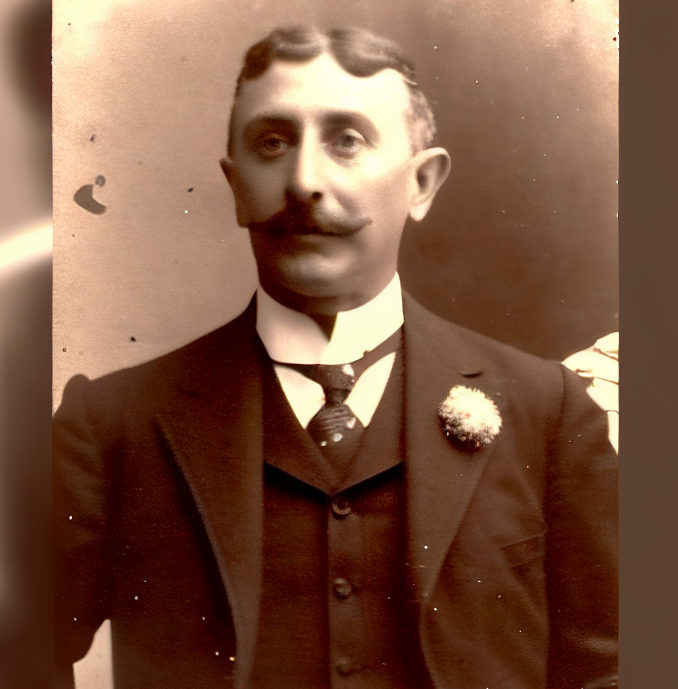
Portrait of Modesto Martí de Solá

Modesto Martí de Solá

Modesto Martí de Solá embodied the order and idealism of his age. Trained in the rigor of an officer and guided by the eye of an engineer, he believed that structure could redeem chaos. His work spanned continents and disciplines, where duty and design converged into a single creed: to build was to believe.
Renaissance 01RE 01
Renaissance 02RE 02
Renaissance 03RE 03
Renaissance 04RE 04
Renaissance 05RE 05
Renaissance 06RE 06

01 · 1893Barcelona

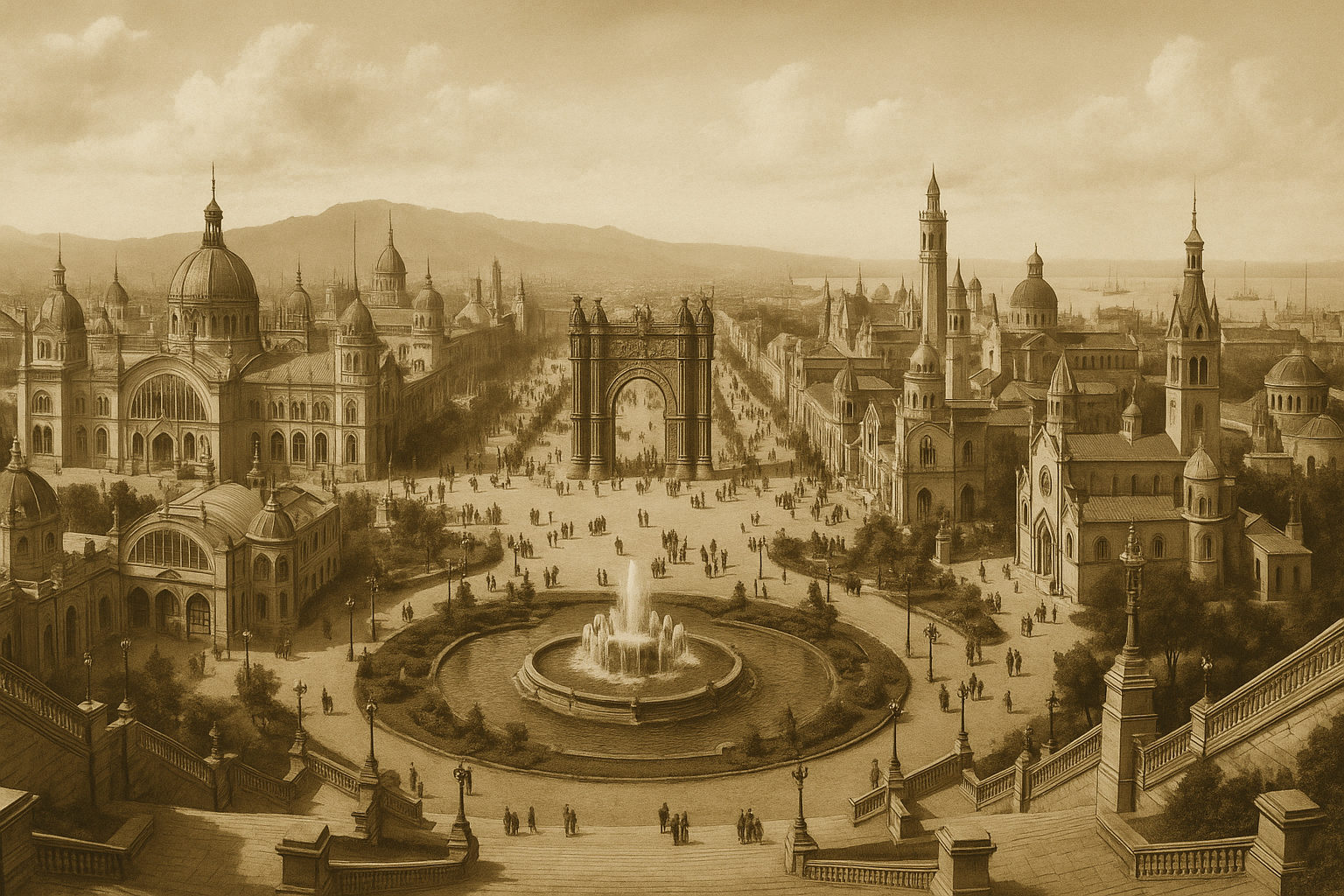
Here ends a century, in iron and fire. Barcelona, 1893, a city remade by geometry, haunted by the idea of progress. An engineer called Modesto Martí de Solá dreams of order, the workers of justice, and the anarchists of an end to both. The Liceu bombing shatters the illusion that beauty and reason could protect anyone from chaos.

From the echo of that explosion unfolds an entire saga of Industrialists & Revolutionaries, a family, a city, and a world built on the fragile belief that progress is salvation.

Sepia view of a great exhibition city
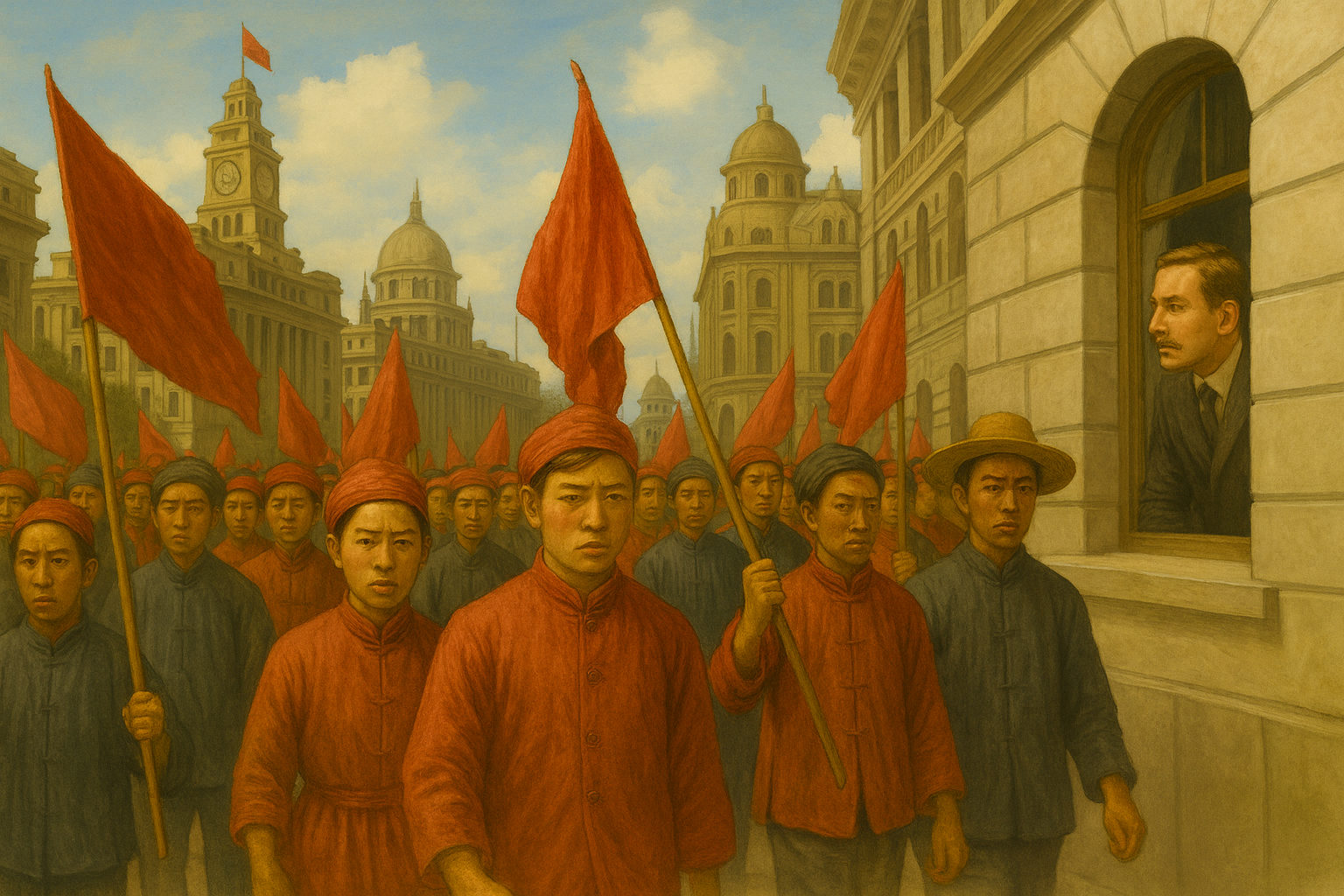
Workers marching with red banners
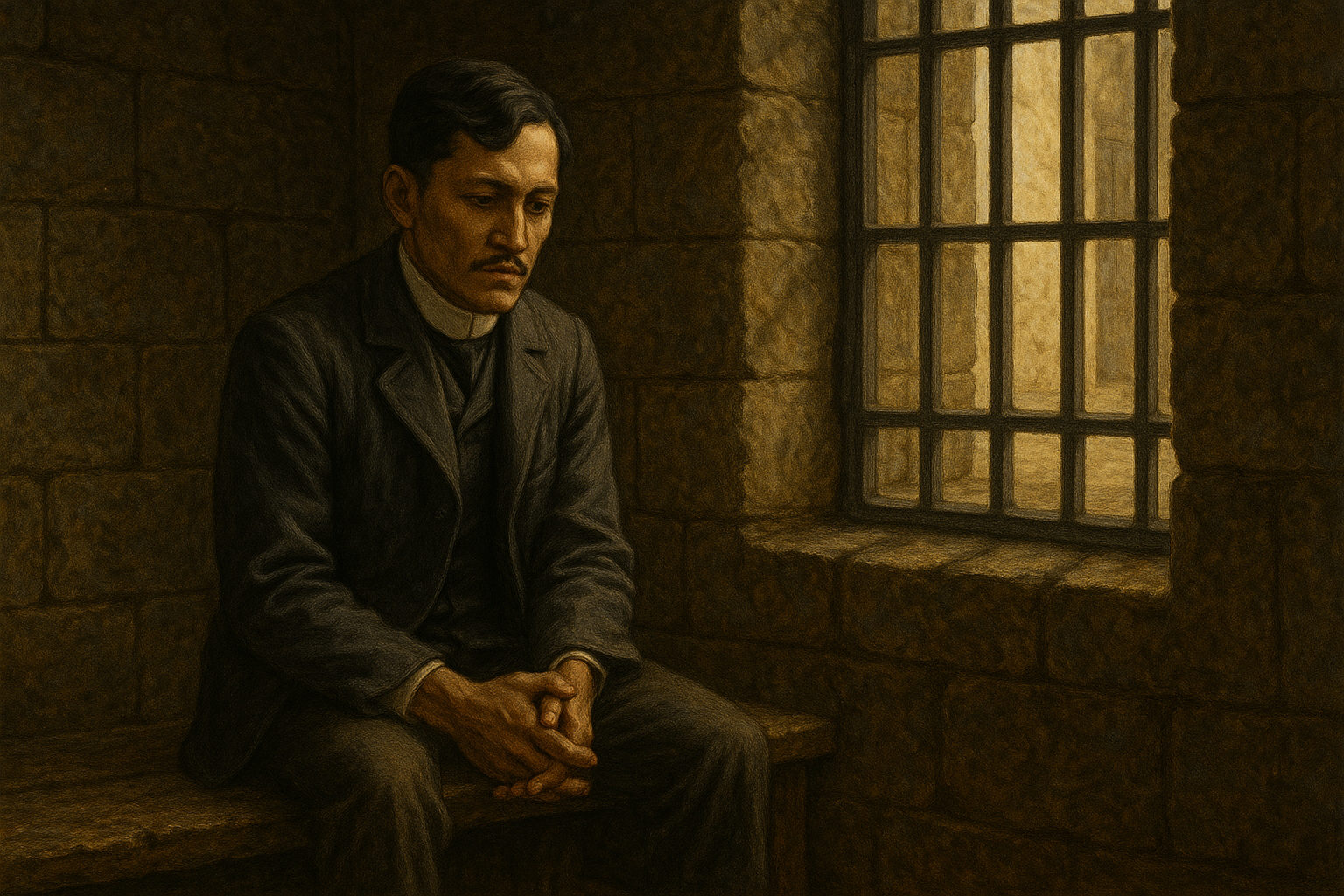
A man seated by a barred window

02Manila

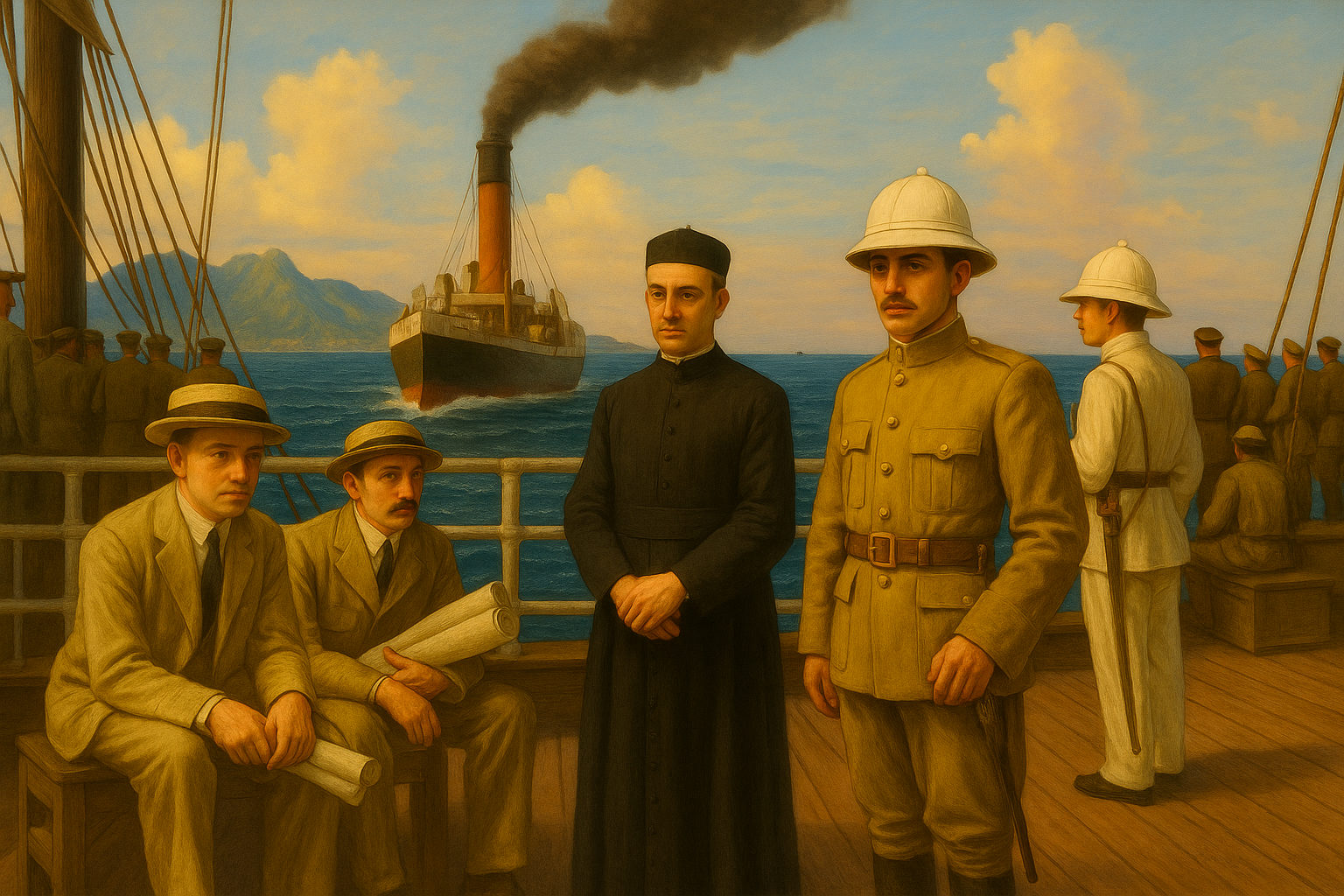
At the twilight of empire, Manila was both a fortress and a mirage, gold, humidity, and gunpowder under the same flag.

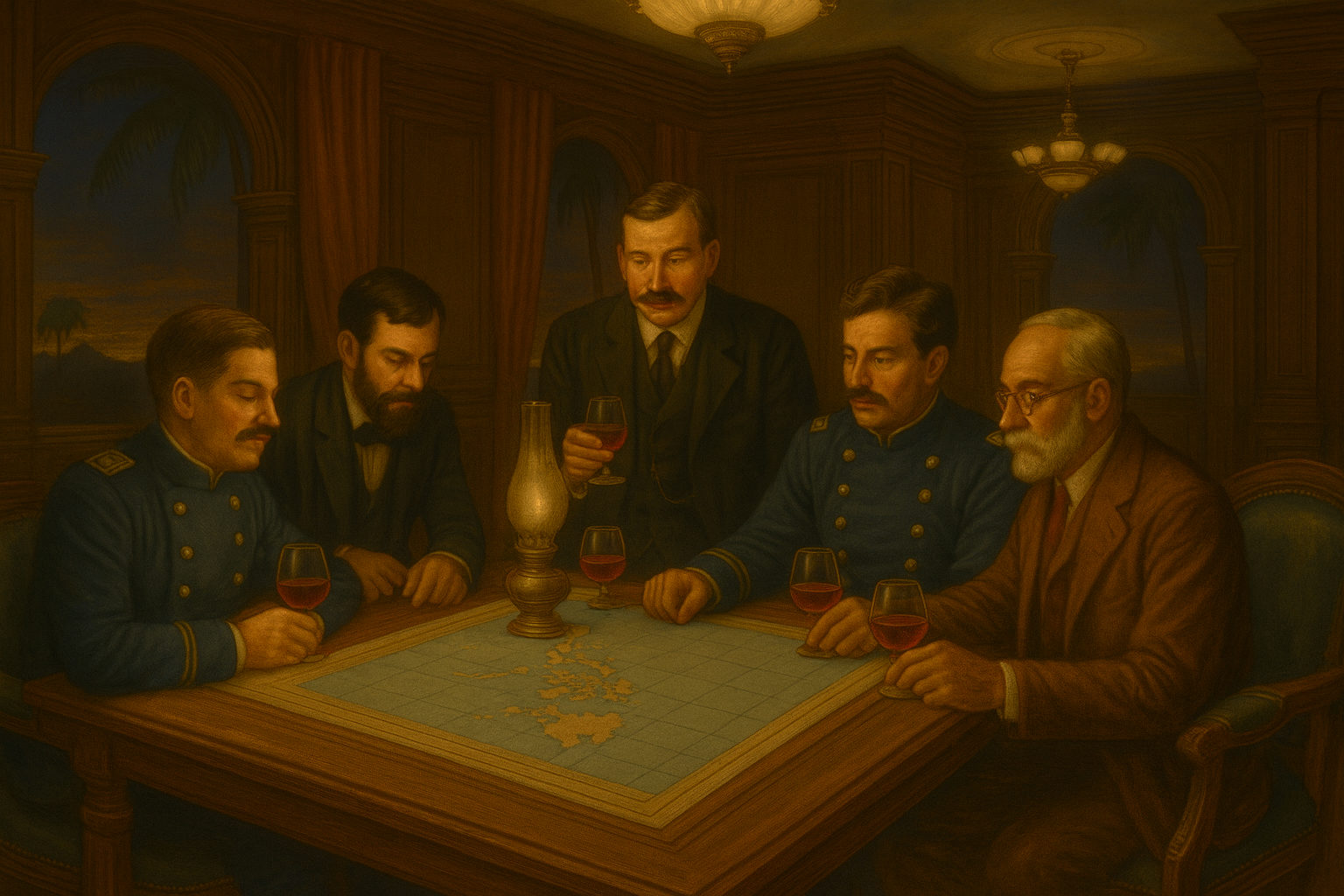
Here, Modesto Martí de Solá sat among officers and diplomats, trading visions of progress over maps already soaked in consequence.

They called it expansion. He saw calculation, exile, and the end of certainty.

Some revolutions begin with ink. Others with silence at the table.

Officers and a priest on a ship deck
An officer in a plumed helmet
Men gathered around a lamp-lit table
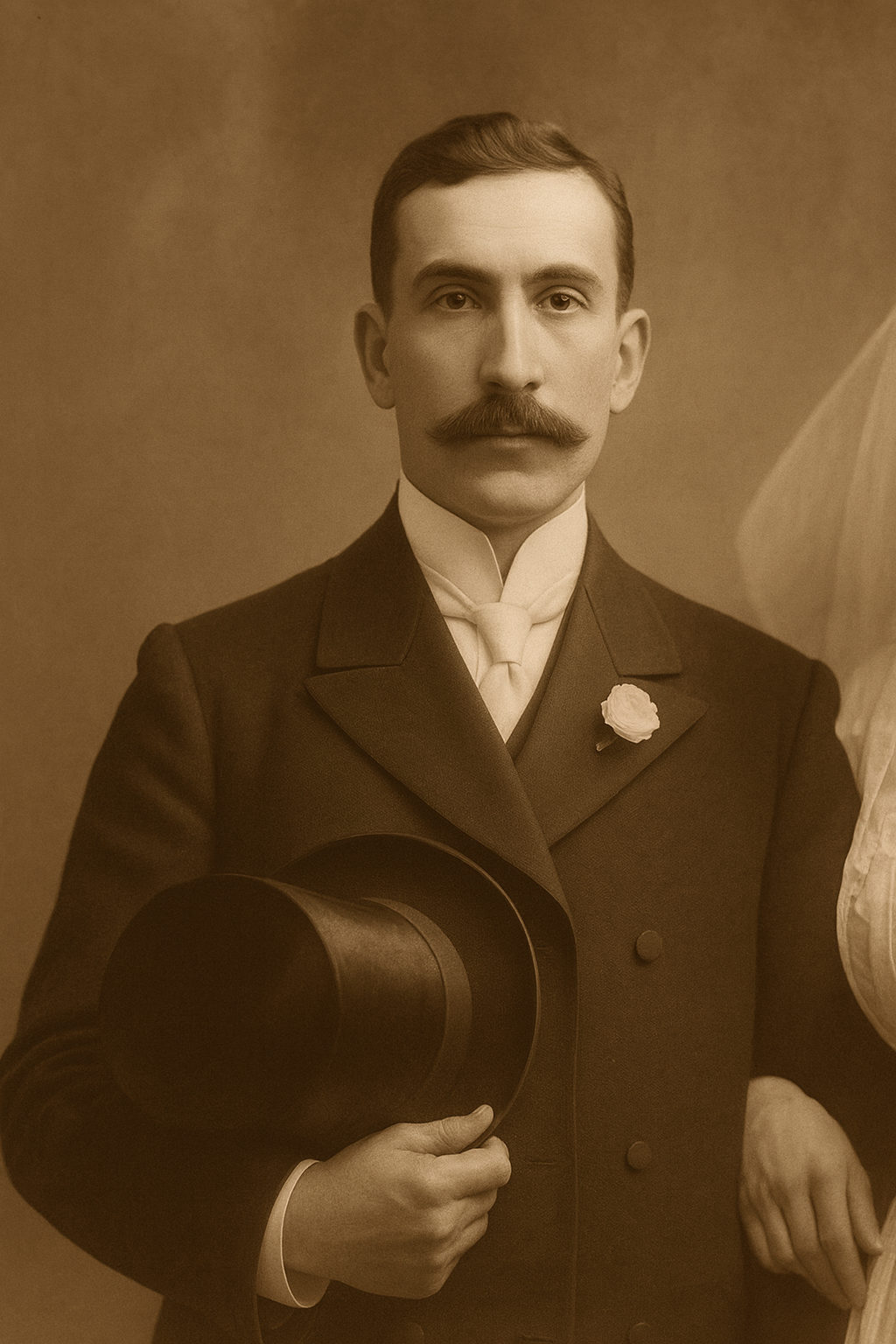
Portrait of Antonio Martí Vidal

Antonio Martí Vidal

Antonio Martí Vidal was an architect between centuries, where faith met machinery and invention became art. His work bridged continents and ideas, turning progress into devotion.

03 · 1902Syracuse

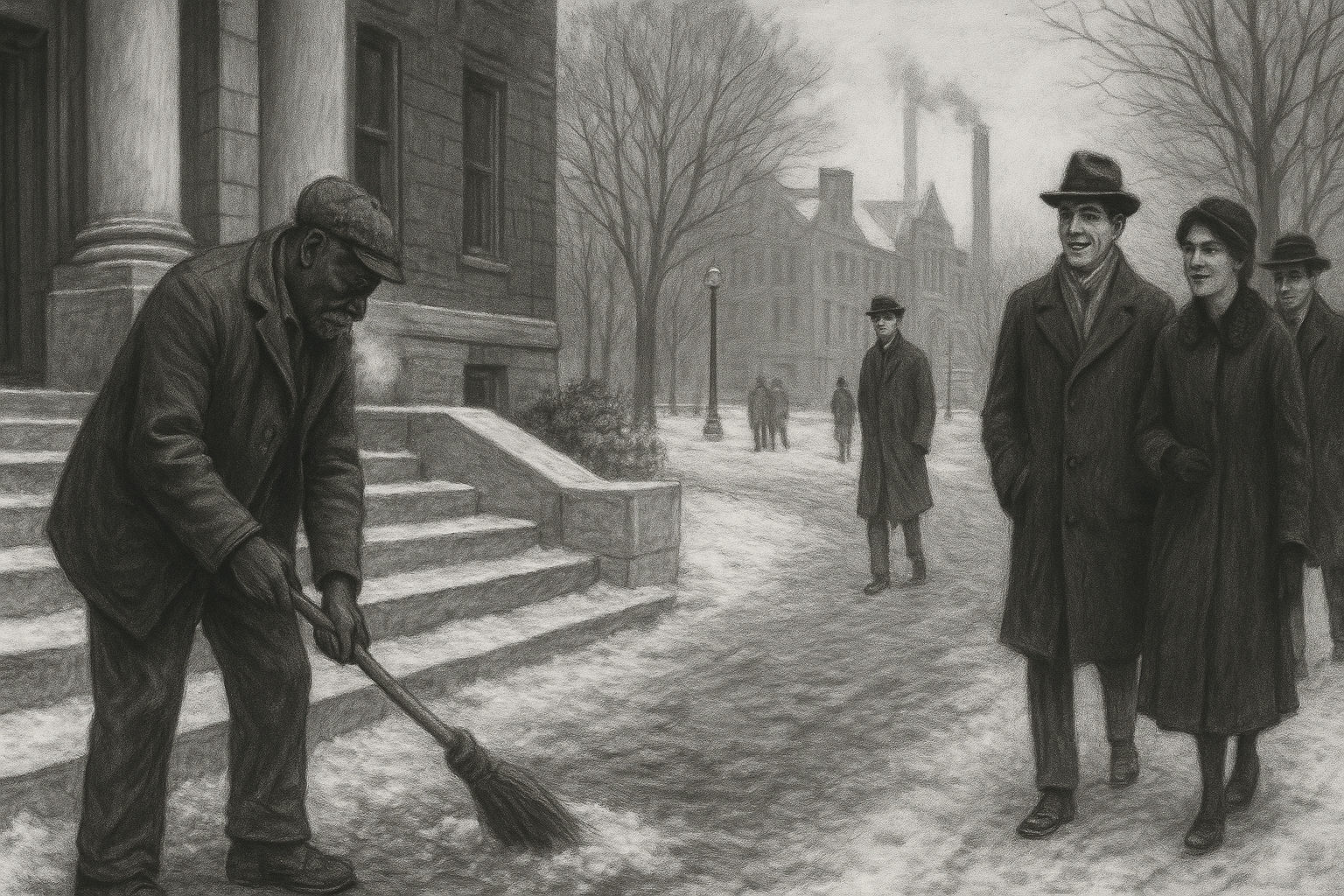
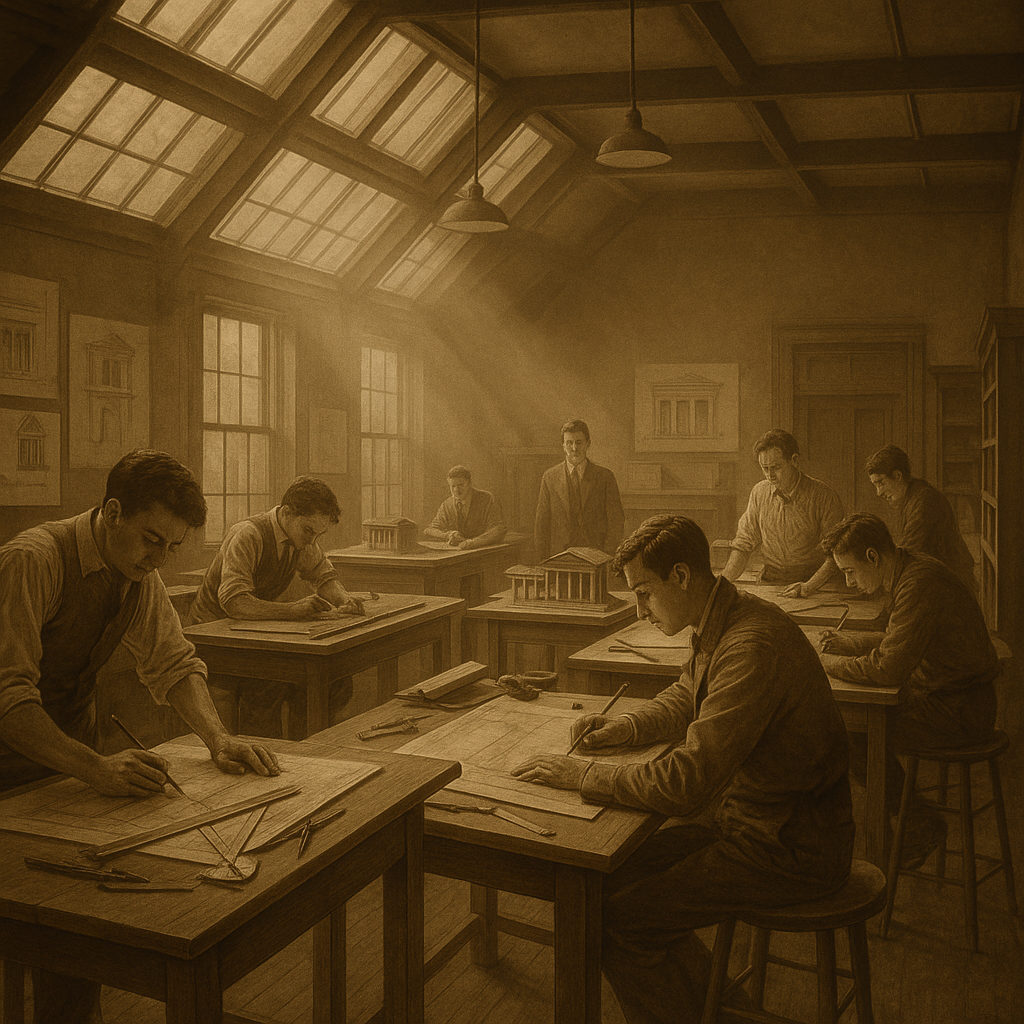
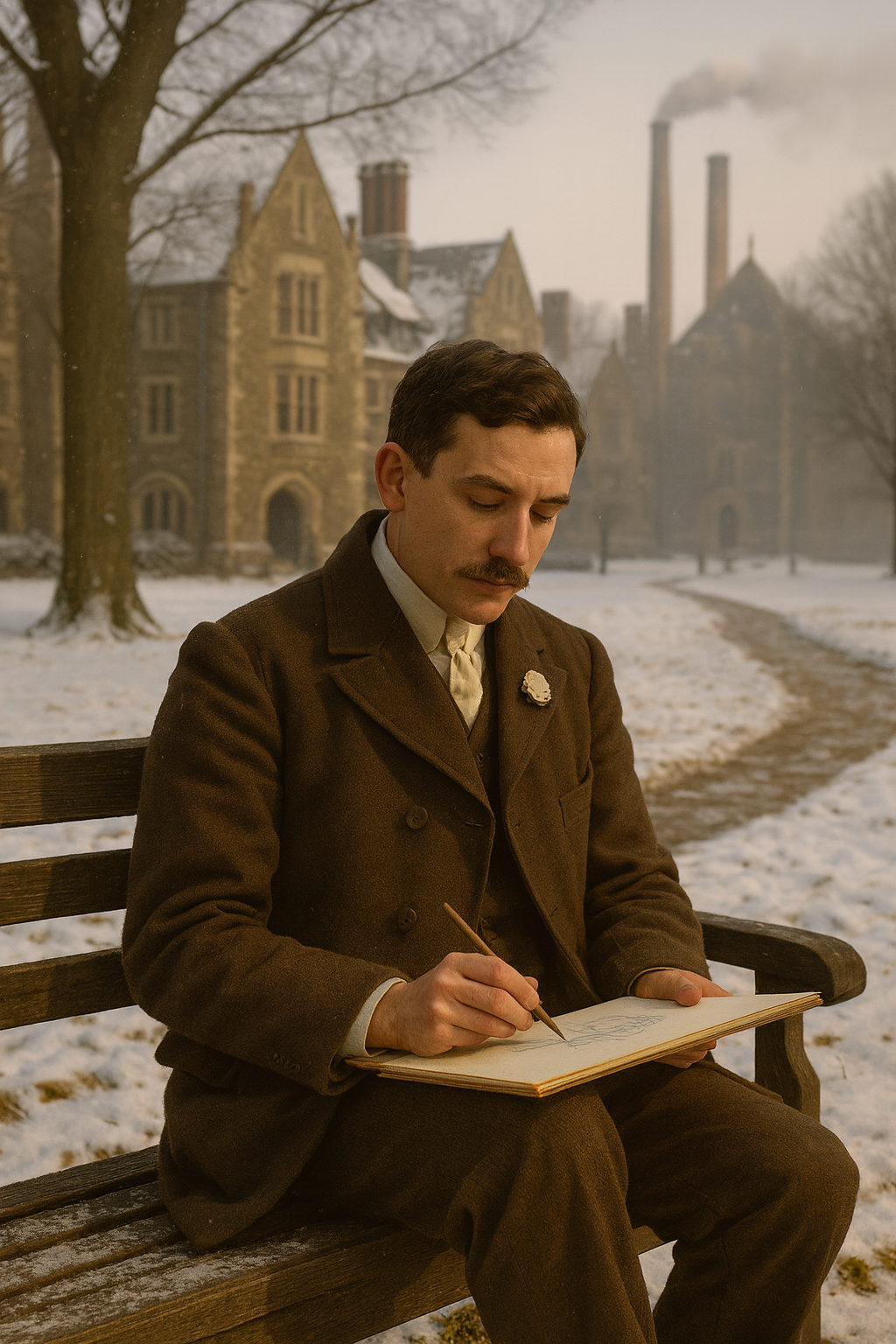
By the winter of 1902, Syracuse stood between eras: its Gothic towers dusted with snow, its smokestacks breathing the promise of modernity. Here, Antonio Martí Vidal studied architecture, translating inheritance into innovation. In classrooms of geometry and silence, he learned that form could be faith and that beauty could serve progress. Beyond the marble steps, others swept the snow he walked upon, unseen hands holding up the dream of the century.

A worker sweeping snow outside a university
Students drawing in a studio
A student writing on a bench in winter
A group of schoolchildren

04Shanghai

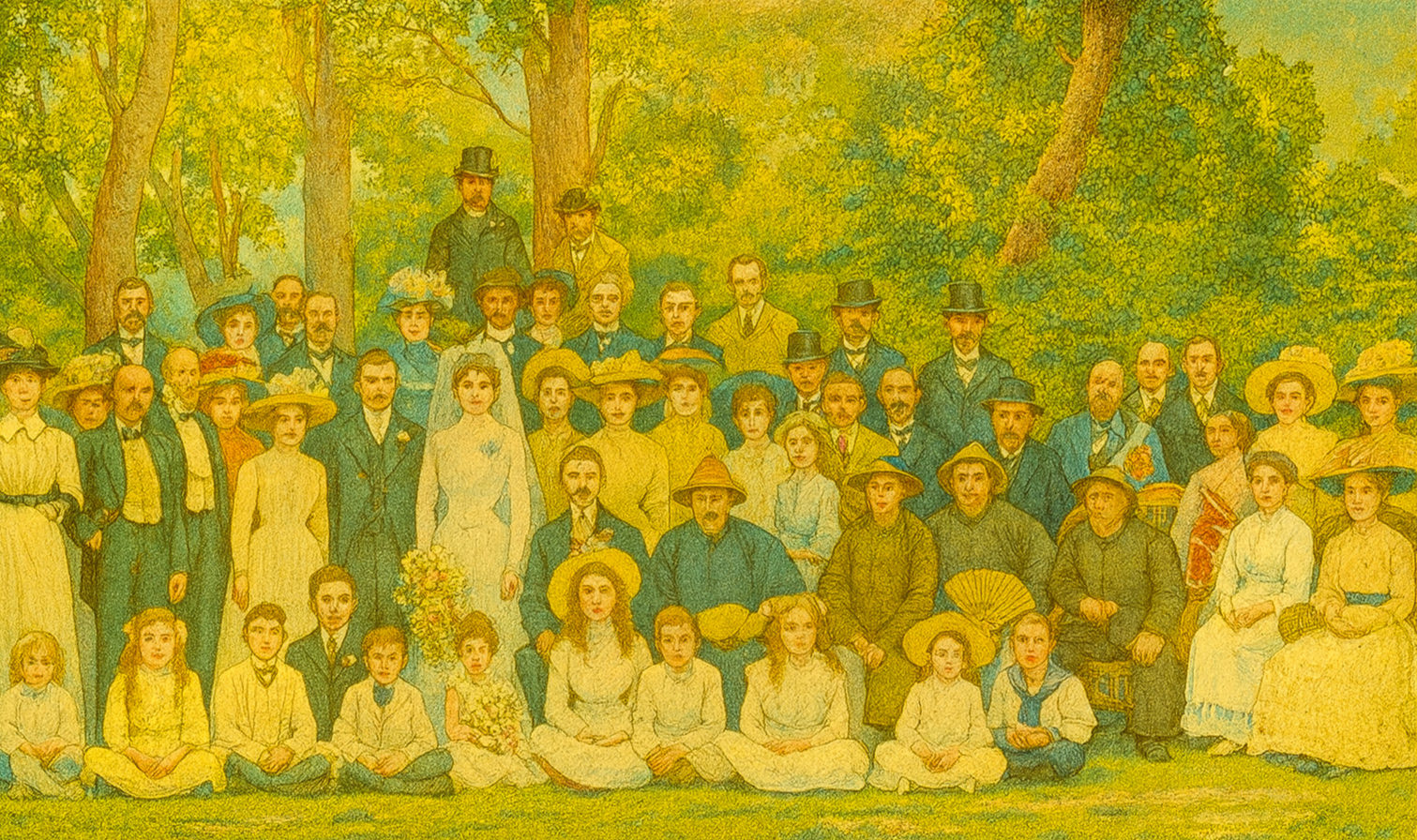
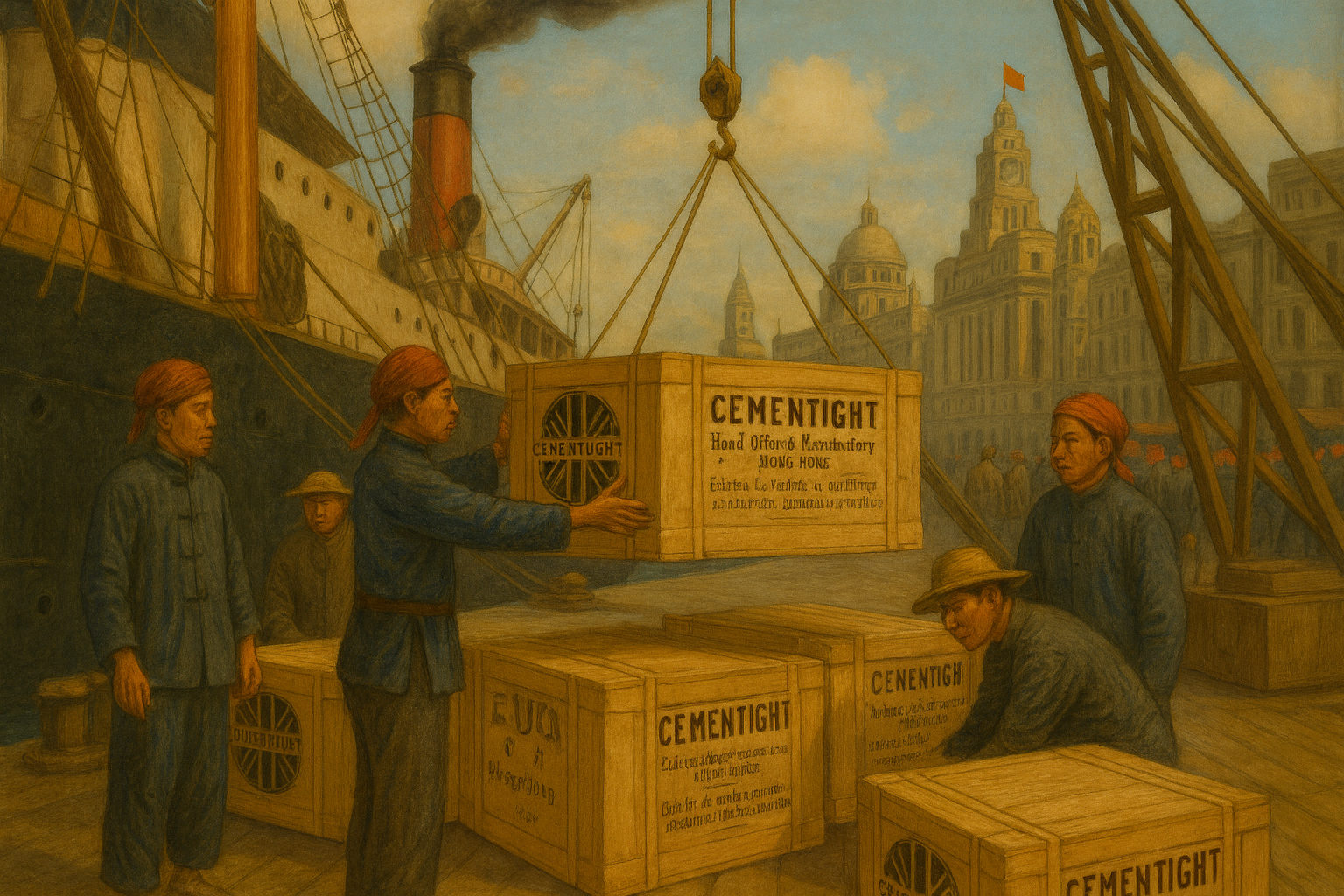
At the turn of the century, Shanghai was less a city than a fever dream; steel, silk, and steam converging under a dozen flags.

It was here that Modesto Martí de Solá arrived, carrying his European ideals of progress into a world that had already outgrown them.

Factories rose beside temples, debts became dynasties, and the future began to hum with electricity and regret.

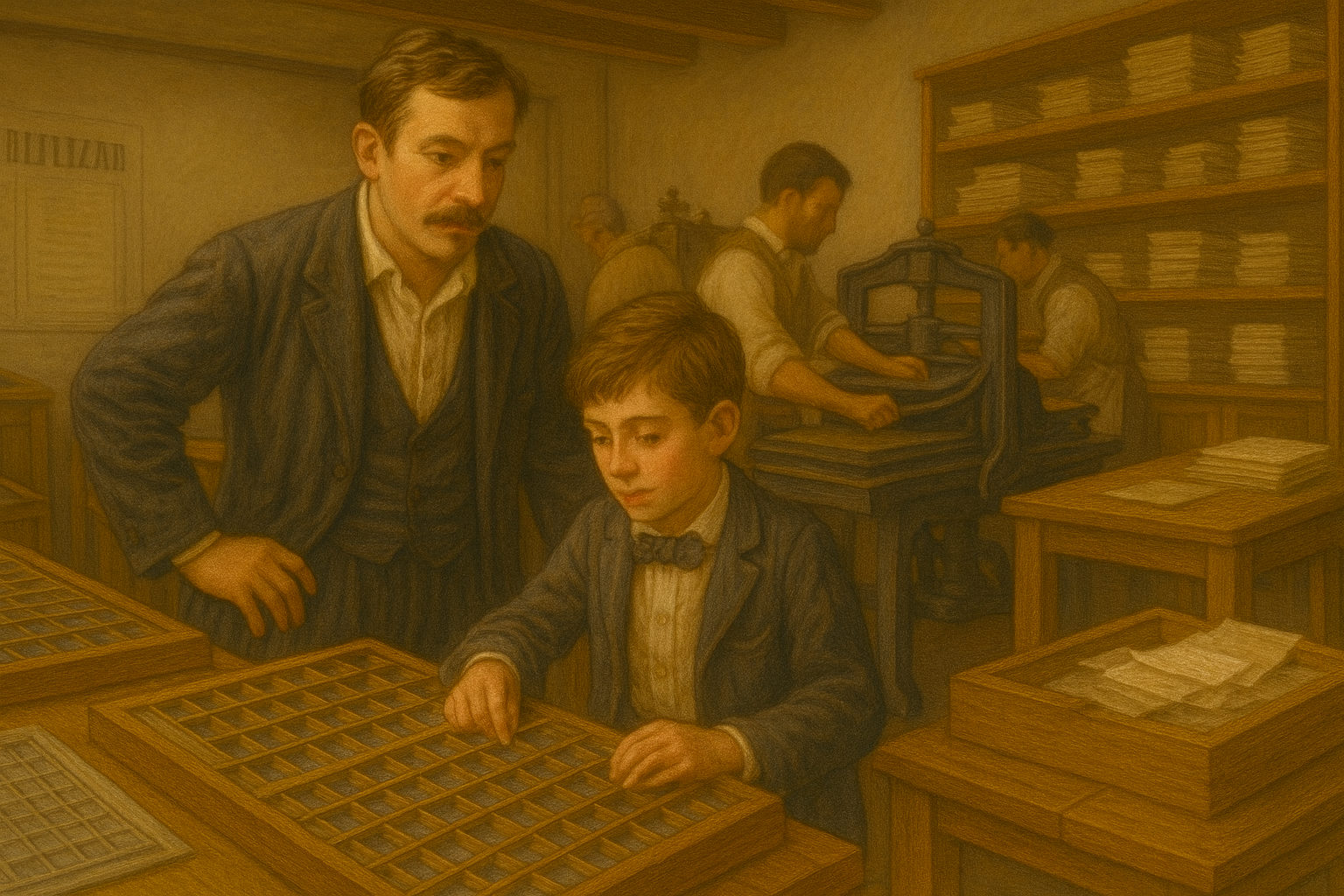
Dockworkers loading crates by the harbour
Men at a counting desk
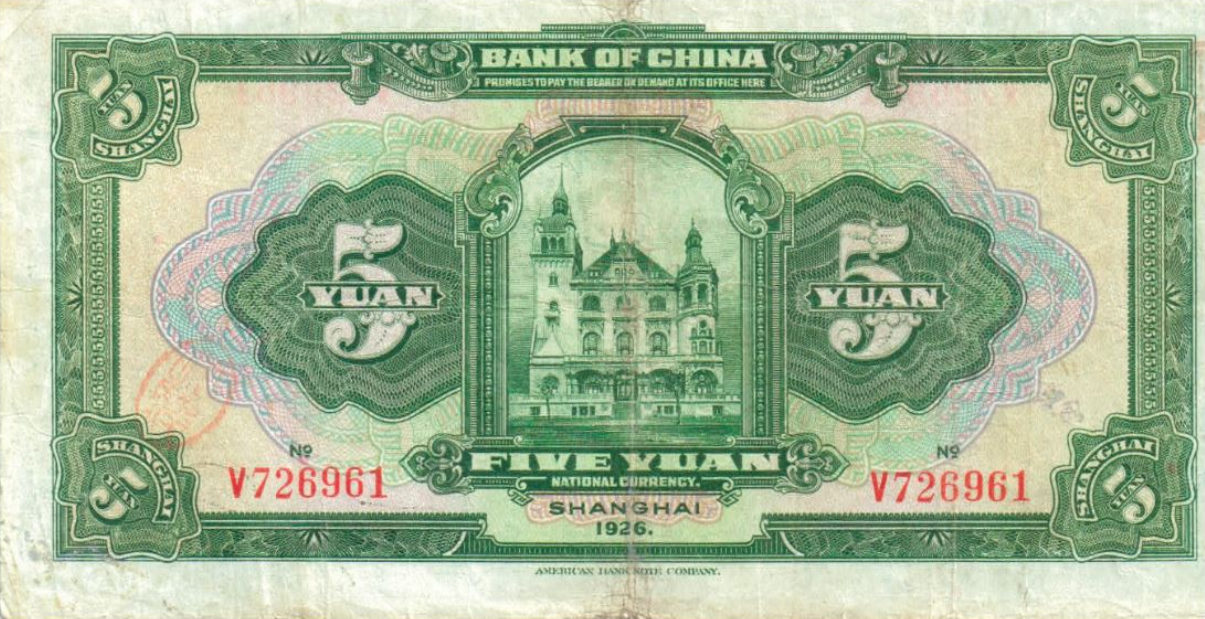
A Bank of China five-yuan banknote
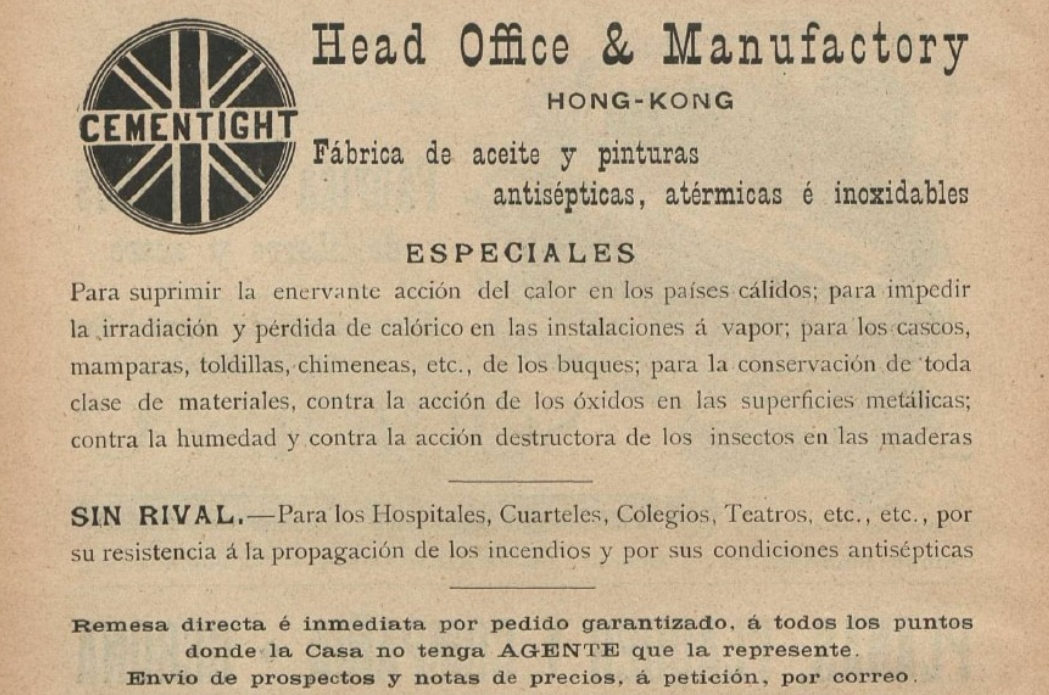
A cement company advertisement
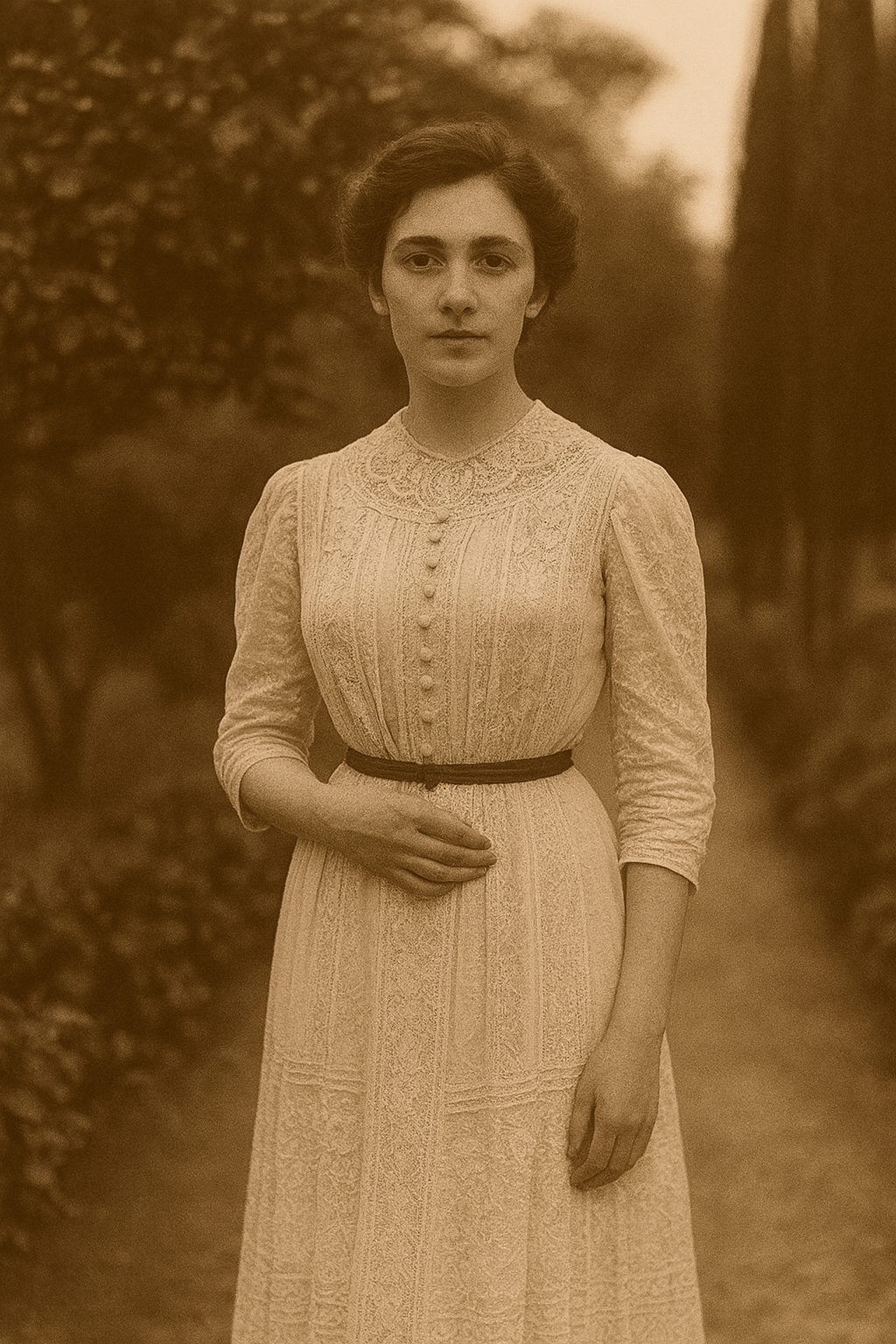
Portrait of Matilde Martí Vidal

Matilde Martí Vidal

When Matilde Martí Vidal arrived in Chile, she quietly became a cornerstone of the family’s story. Her choices and insights shaped the path forward, and her legacy is the backbone of a modern heritage.

05Santiago

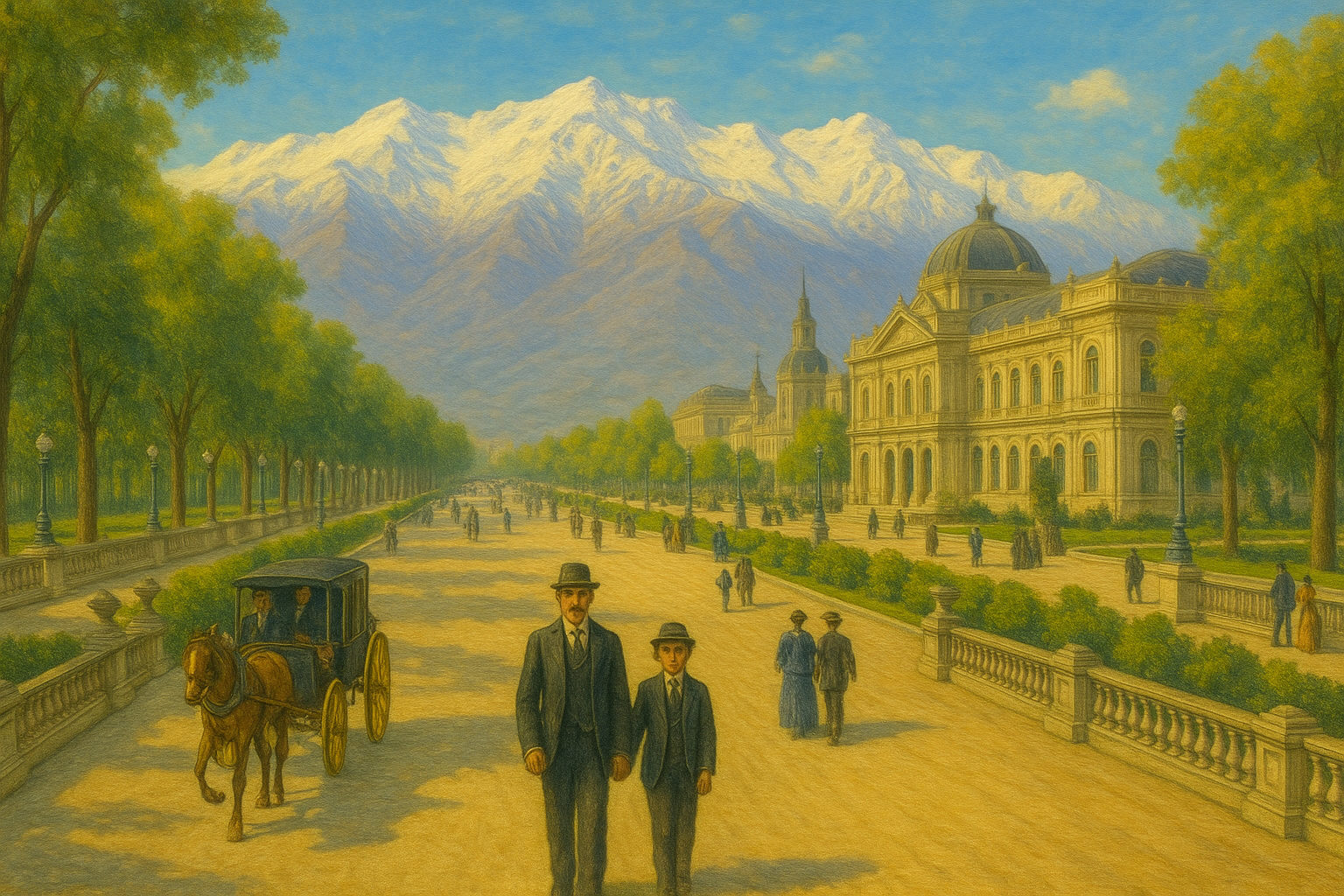
At the edge of the world, Santiago rose between dust and snow, a city of engineers and ghosts learning to live with the echoes of invention.

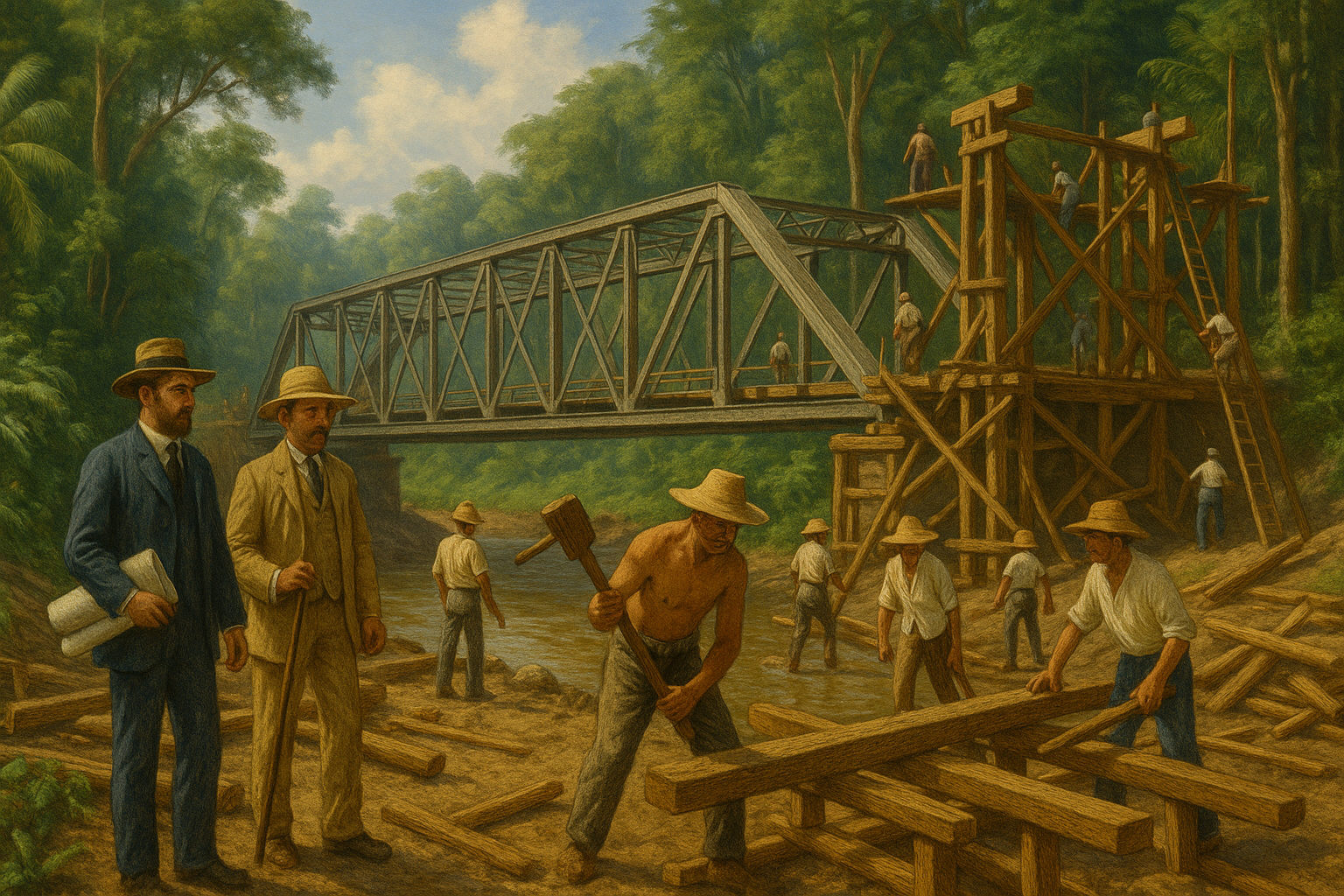
Here, Antonio Martí Vidal built what others only drafted, bridges, facades, foundations, as if structure could undo history.

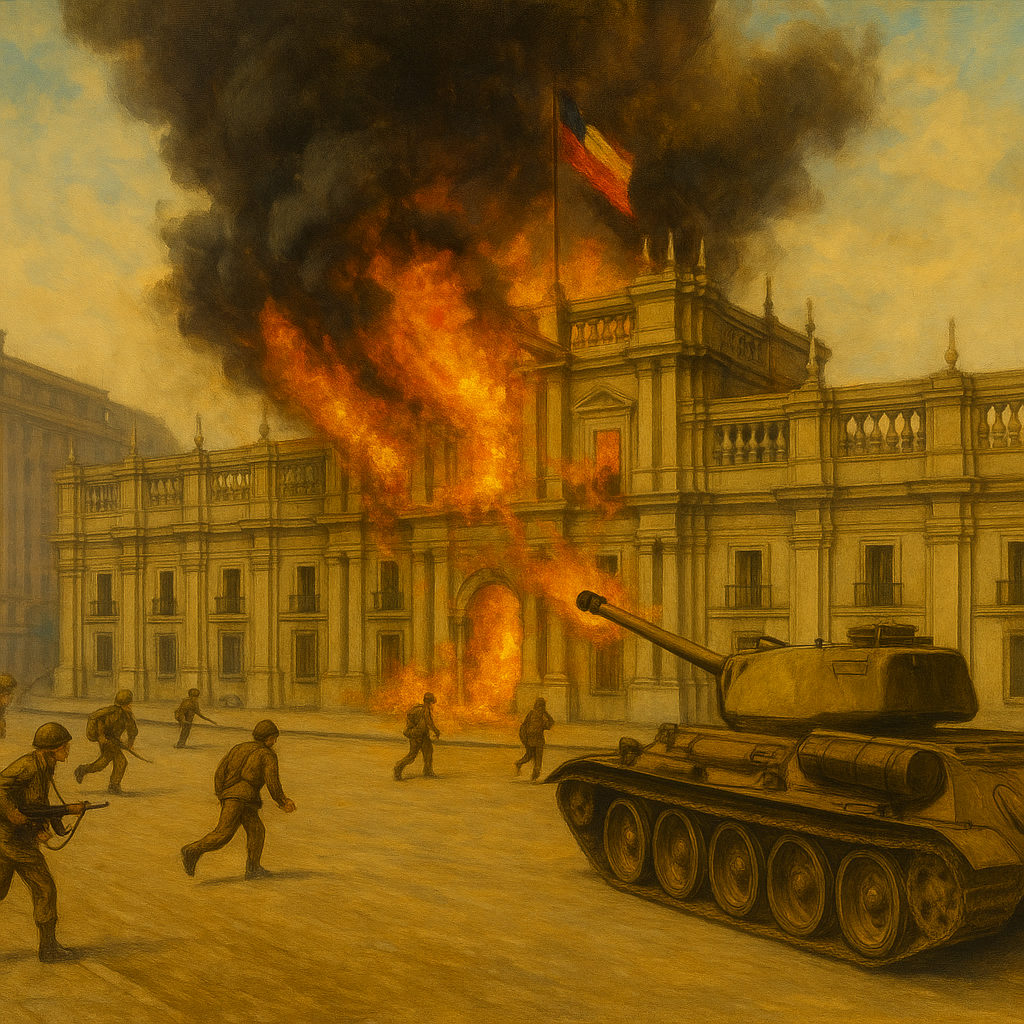
But progress carries its own ruins.

The Andes watched as empires collapsed into archives, and sons replaced architects as witnesses.

The century was ending, and the world, once again, was being measured.

A tree-lined avenue below the Andes
Workers building a steel bridge
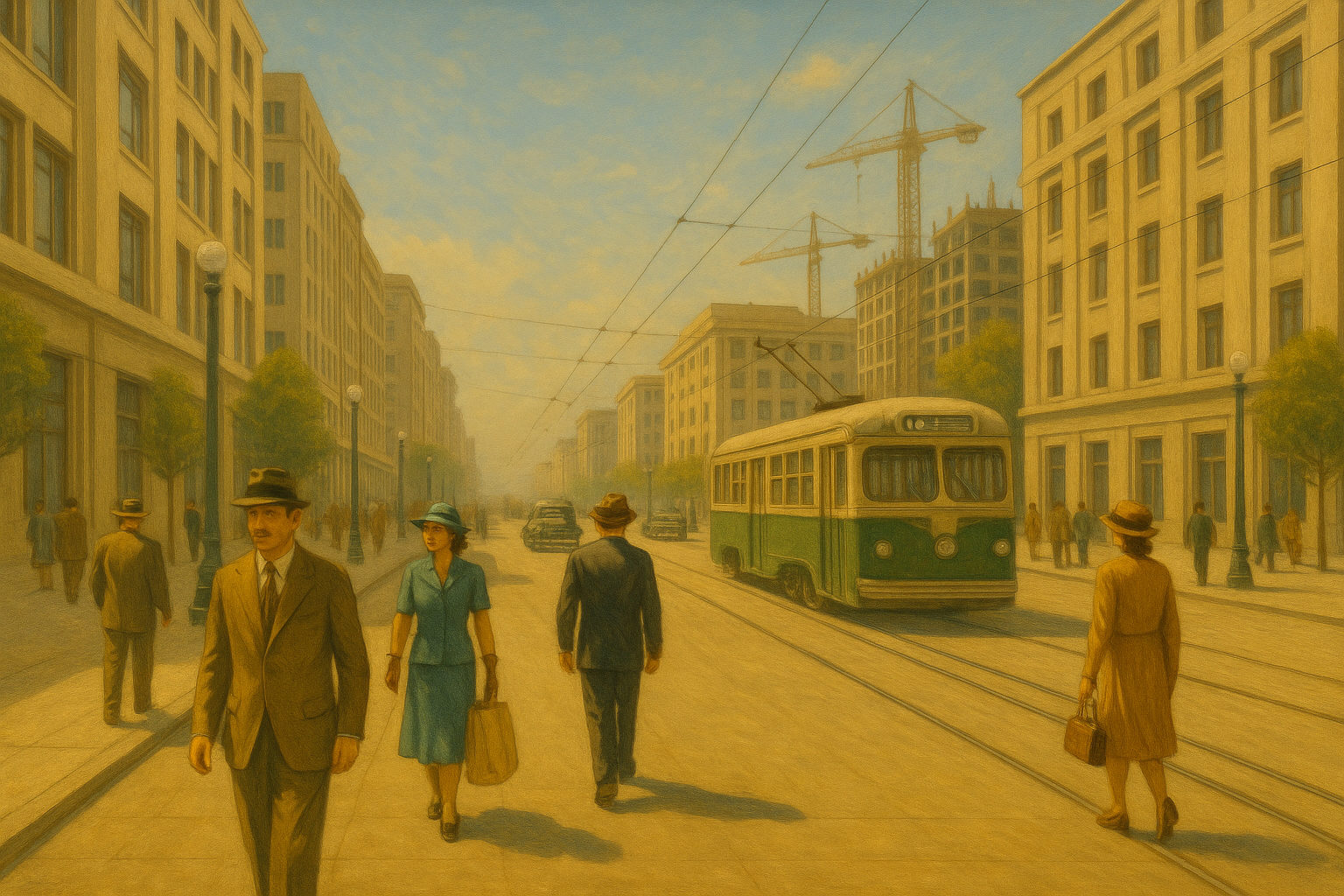
A busy street with a tram
A burning building and a tank
The book

Industrialists
& Revolutionaries

Alejandro de Solá

A literary saga spanning continents and centuries; from the bombed theatres of 19th-century Barcelona to the industrial skylines of Shanghai and Santiago. Based on true family archives, it traces the line between creation and destruction, invention and exile.